GIRLS’ EDUCATION
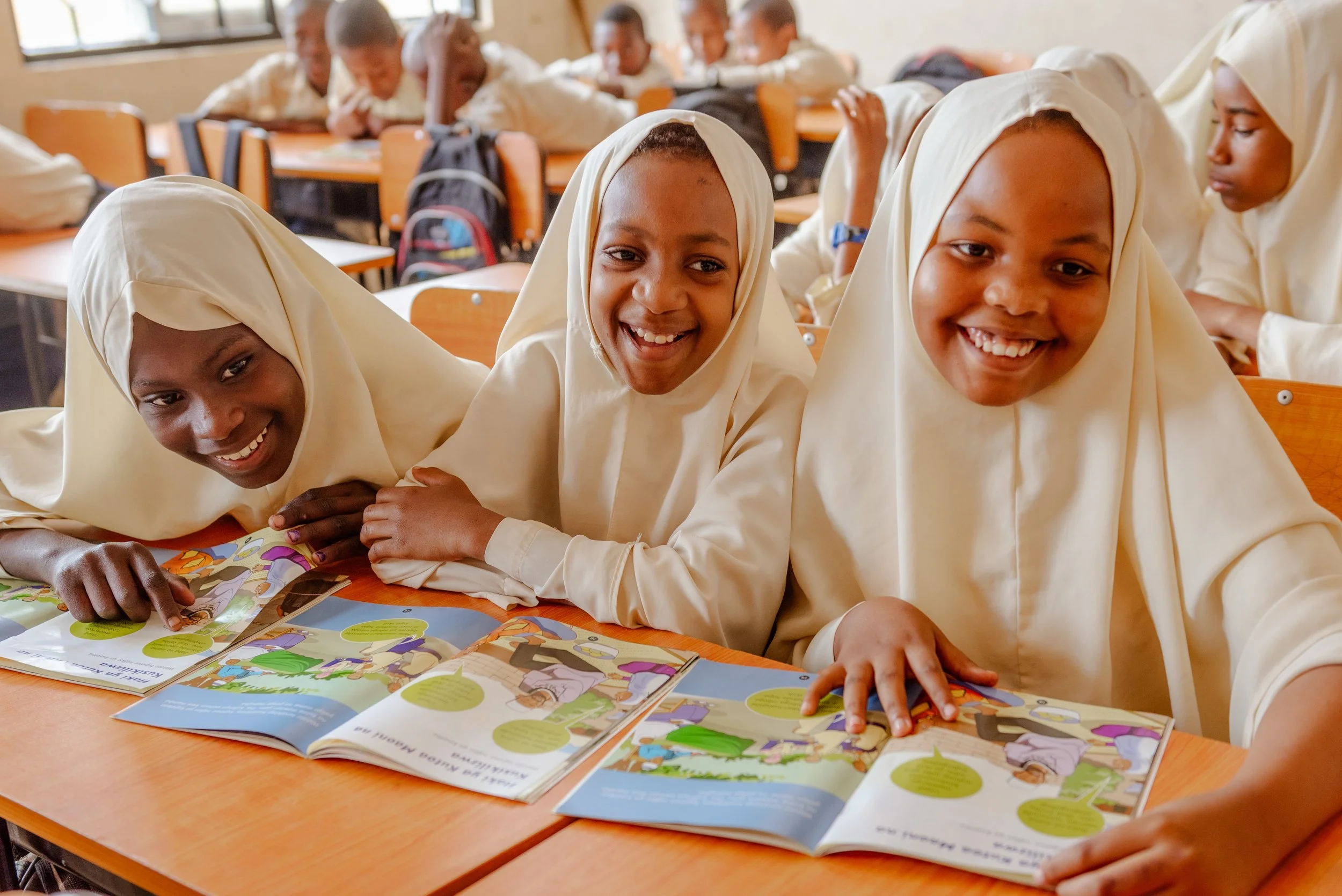
Despite progress, 119 million girls remain out of school worldwide.
When a girl completes a quality basic education, the benefits reach far beyond the classroom. She earns more, raises healthier children, and is far less likely to face violence or be married as a child. Multiplied across millions of girls, these gains build stronger economies and more stable communities.
|
$15–$30 trillion lost Economic growth Countries lose this much in lifetime productivity and earnings when girls face barriers to completing 12 years of school. World Bank |
Up to 20% increase Personal income A woman can increase her future earnings by up to a fifth for every additional year of schooling she completes. UN Women, 2022 |
|
50% better Health outcomes Children of literate mothers are 50 percent more likely to live past age five and to be immunized. UNESCO |
37% lower Gender Based Violence Equal access to education for girls and boys is linked to a drop of more than a third in the likelihood of violence and conflict. Education Cannot Wait, 2019 |
|
Less than half Child marriages Rates of child marriage are cut by more than half in countries where school is compulsory for nine years and free for twelve. UNESCO, 2023 |
Up to 90% stronger Communities Women reinvest up to 90 percent of their income into their families, compared with 30 to 40 percent among men. UN Women |
What is at stake when programs end?
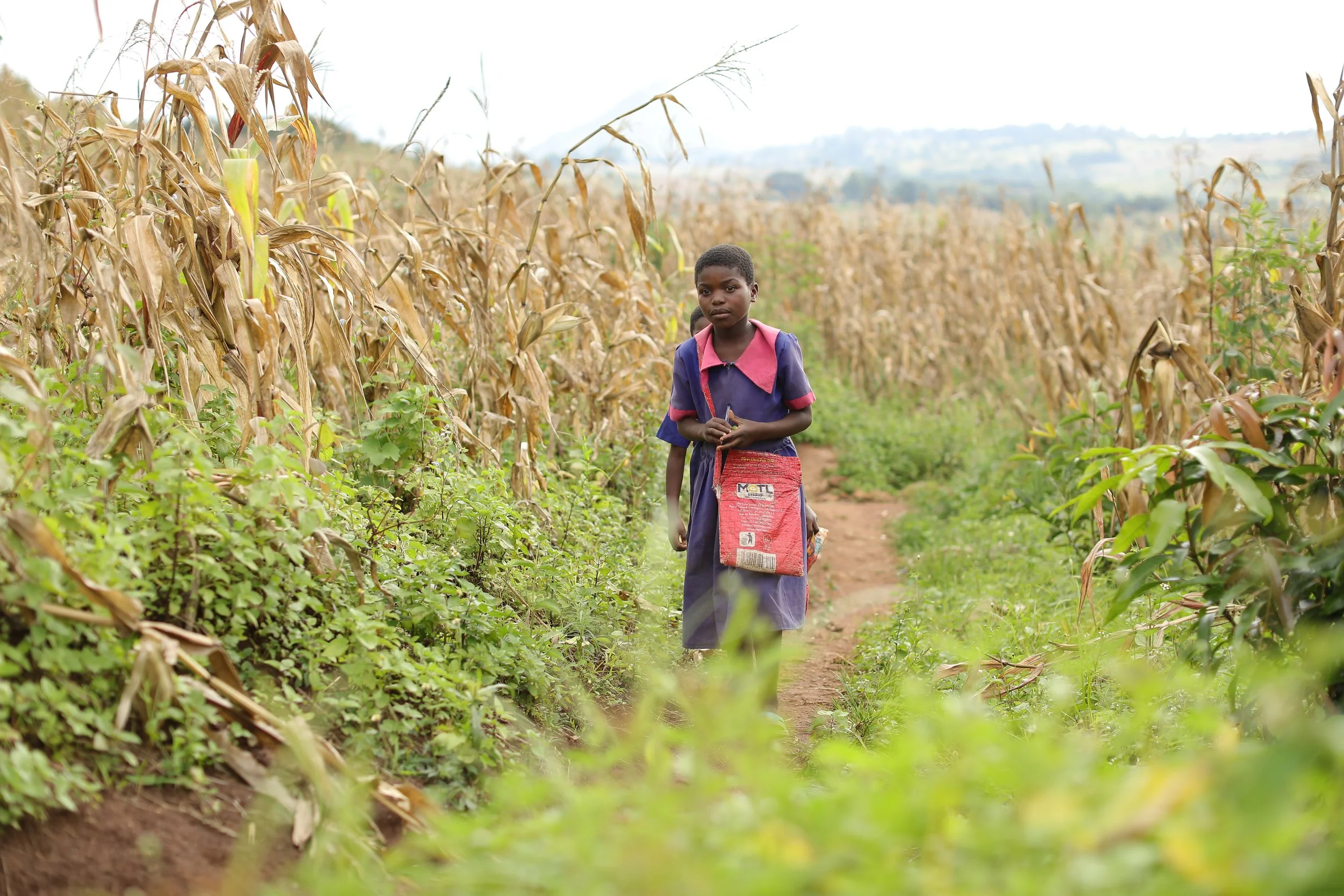
Sweeping cuts to U.S. foreign assistance have forced education and protection programs to close with little warning, in some cases overnight. When a program shuts down, girls do not simply pause their education. Many are pulled back into households where they are pressured to marry early, work, or care for siblings.
Case Study Nepal
When a lifeline closes: Nepal's UDAAN program
UDAAN, meaning "flight" in Nepali, was a CARE-run education program for girls ages 10 to 14 who had never attended school or who had dropped out early. Through an intensive 11-month curriculum, it gave them a second chance to transition into formal public schools. Operating across 13 learning centers, the program provided education, leadership and life skills, academic support, and practical services that kept girls enrolled. UDAAN gave girls a chance to delay or avoid early marriage, because quality education enables girls to make informed decisions about their lives.
When U.S. funding cuts hit, UDAAN closed overnight, cutting off 307 girls in the middle of their education. One 12-year-old student, Radhika, described feeling like she had lost her chance to keep learning, and feared she would be pushed toward early marriage instead. Her mother watched her daughter's confidence disappear along with the classroom that had built it. A local UDAAN facilitator warned that ending the program was "a risk to the girls' safety," with child marriage and violence against girls likely to rise in its absence.
CARE and local partners moved quickly to reopen UDAAN centers with emergency stopgap funding, and 282 of the 307 girls transitioned to formal schools. But that recovery was built on short-term funding, not a lasting solution. Unfortunately, the UDAAN closure isn’t isolated — it’s part of a devastating global aid crisis. Globally, 83% of USAID programs were cut, while Nepal alone lost $329 million in funding, forcing 300 organizations to suspend programs and critical services.
Photo Credits: Banner Photo RTI; Middle Photo Opportunity International